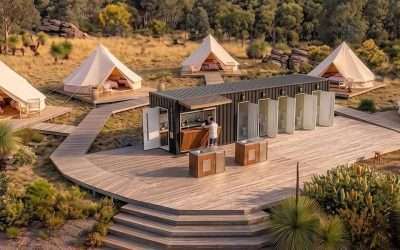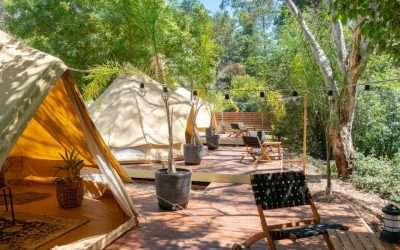
Glamping has evolved rapidly over the past decade. What started as a more comfortable way to camp has become a distinct category within the accommodation industry. One that sits somewhere between boutique hotels, eco lodges, and nature stays.
Yet one mistake continues to appear in many new glamping projects:
designing Safari Tents as if they were cabins or small homes.
Glamping is not a cabin under canvas
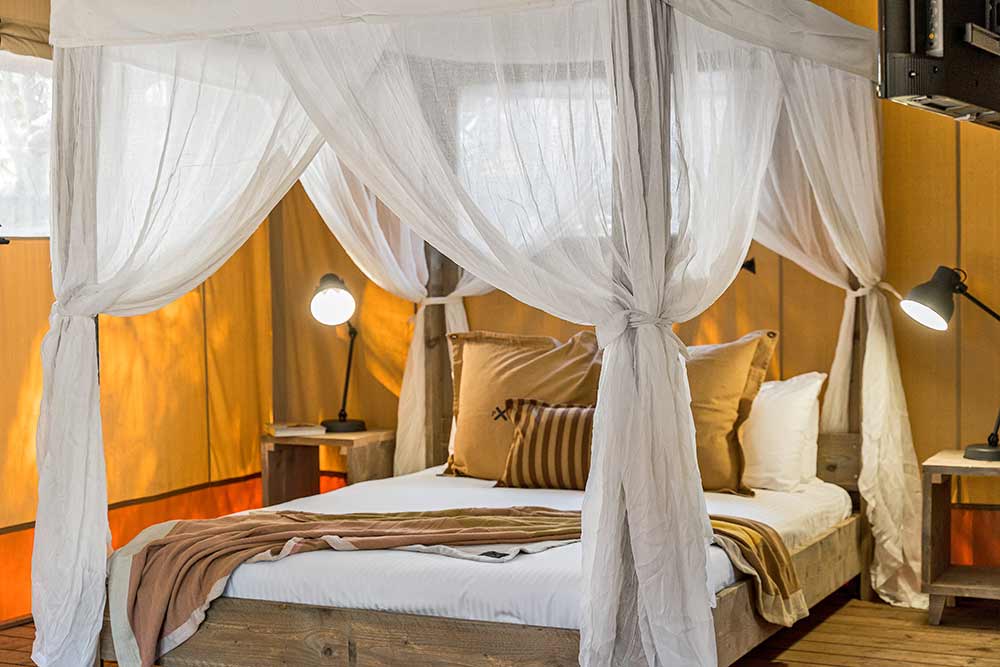
Luxury Safari Tents are fundamentally different from cabins, houses, or motels. The structure itself, canvas, light, airflow, and proximity to nature, creates an entirely different guest experience.
When interiors are filled with standard FFE furniture designed for permanent buildings (glossy kitchens, white cabinetry, marble tiles) something feels off. These finishes are perfectly suitable for cabins, houses, and motels, but in a tent they break the connection to the environment.
Guests may not consciously know why, but they feel it immediately.

What glamping guests are really looking for
Today’s glamping guest is experience driven. They are not escaping comfort, they are escaping sameness.
They don’t want to arrive in a tent and feel like they’ve stepped into:
- a scaled-down version of their own home, or
- a generic hotel room placed in nature
Instead, they are looking for something:
- authentic
- textural
- grounded in natural materials
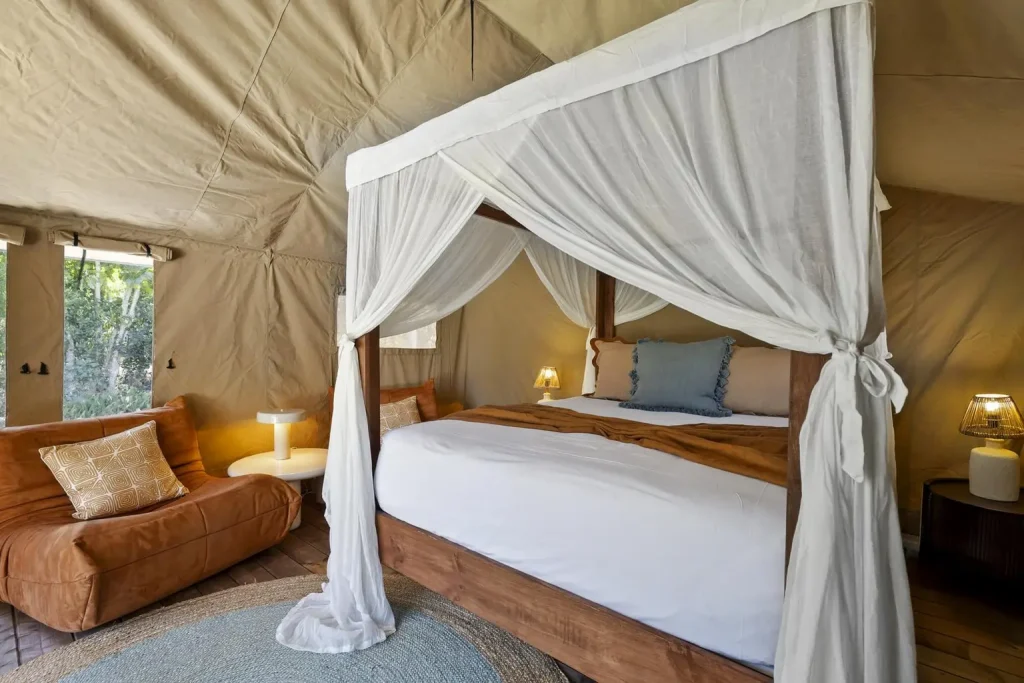
This is where real timber plays a crucial role.
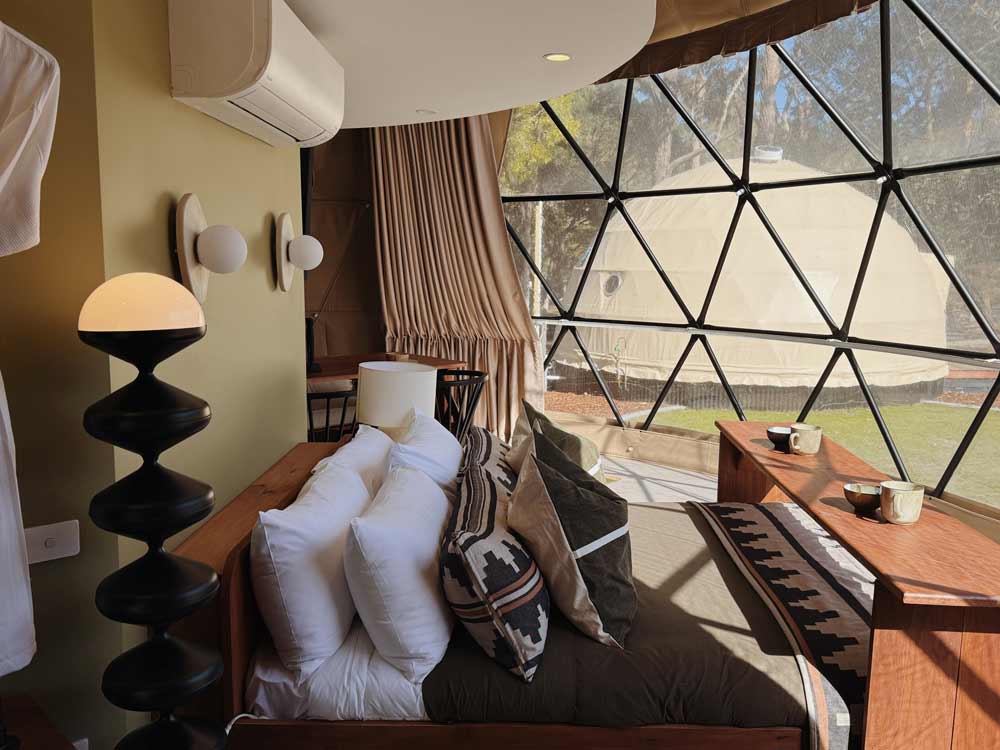
The power of real timber in glamping interiors
Real timber brings qualities that manufactured or glossy finishes simply can’t replicate:
- Warmth and visual depth
- Natural grain and variation
- A sensory connection: guests can see, touch, and even smell the material
It reinforces the sense that the guest is staying with nature.
From a practical point of view, solid timber finished with natural protective oils is also extremely well suited to glamping. It’s durable, easy to maintain, and designed to be refreshed over time rather than replaced. Ideal for high use hospitality environments.
Bathrooms matter just as much
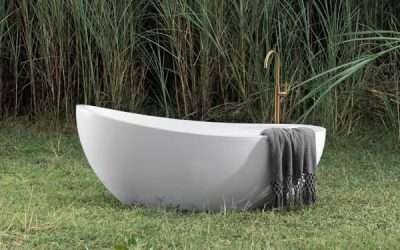
The same design logic applies to bathrooms. Glossy white tiles, marble finishes, and highly polished surfaces may read as “luxury” in urban hotels, but in Safari Tents they often feel cold and disconnected.
Natural colours, earthy tones, softer textures, and more tactile materials keep the experience cohesive. The bathroom should feel like part of the landscape, not an imported hotel pod.
The industry shift is already happening
We’re seeing a clear shift across the broader accommodation industry. Boutique hotels, Airbnbs, and even the tiny homes movement are moving away from sterile, high gloss interiors and back toward warm timbers and natural finishes.
Glamping operators who don’t evolve, risk quietly losing guests to these alternatives. Not because their locations aren’t beautiful, but because the interior experience no longer matches guest expectations.
Designing for difference, not familiarity
At GlamXperience, all of our furniture is designed and made in-house, allowing us to create interiors that are purpose built for canvas structures. Not adapted from residential or hotel templates.
For this project, we collaborated closely with Amuma Living and Fenton & Fenton to develop a truly unique interior concept for BIG4 Holiday Parks. One that reflects nature, authenticity, and long term durability.
The takeaway
Glamping succeeds when it offers something guests can’t get elsewhere.
When Safari Tent interiors start to look like cabins, homes, or motels, the magic fades. And so does the perceived value.
Design interiors that let guests feel nature, not escape it.
Planning Your Glamping Site?
If you’re ready to elevate your site, we’d love to bring your next glamping project to life.
SPEAK WITH OUR TEAM